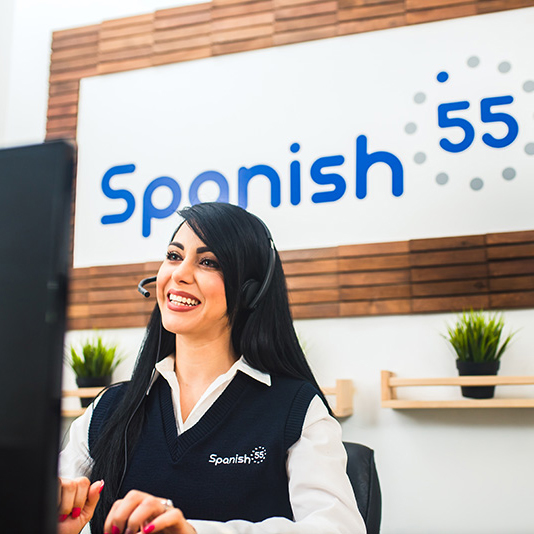
Like many of you, I googled ‘Spanish lessons’ and found Spanish55. I liked the idea of having a one-on-one tutor, and then my teacher (Coach Sofia) and I developed a connection that has made learning Spanish so much more fun than listening to audio lessons!
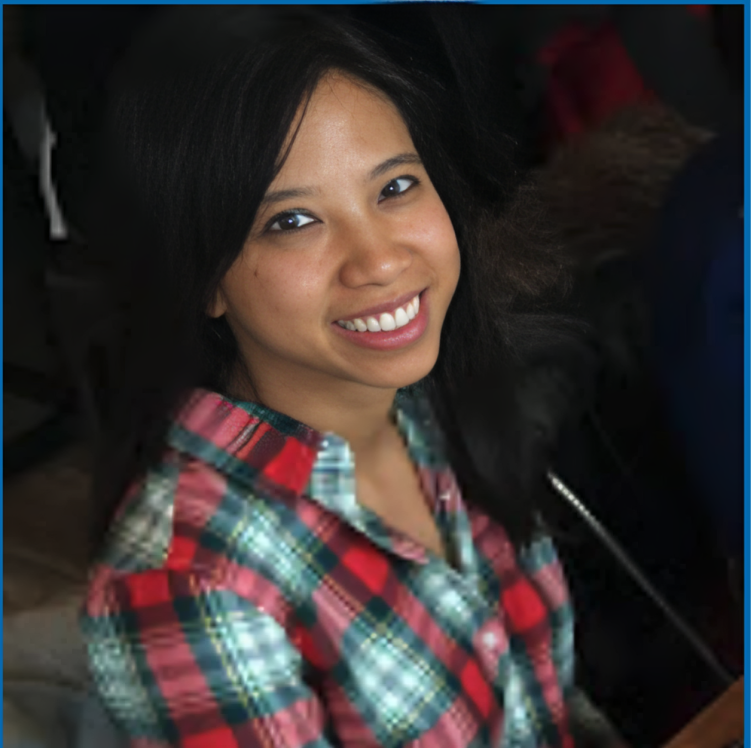
Hi! Mi nombre es Kim. I’m a primary care doctor who was raised in the Bay Area, California. My parents are refugees from Vietnam, and their immigrant experience has had a big impact on my desire to learn from people with different cultural backgrounds. I studied literature in college because I love language and stories, and decided to eventually pursue medicine for its opportunity to listen to people’s narratives and become a part of them.
I recently relocated to New Mexico because I wanted to go somewhere with a greater need for healthcare, especially in the area of addiction medicine. I work at First Nations - a community clinic caring for underserved populations. At my previous clinic, I often felt like I was doing my Spanish-speaking patients a disservice by not knowing a language so prevalent in California. When I took some time off in between jobs, and knowing I’d be going to New Mexico, I decided to take advantage to take Spanish lessons.
Like many of you, I googled ‘Spanish lessons’ and found Spanish55. I liked the idea of having a one-on-one tutor, and then my teacher (Coach Sofia) and I developed a connection that has made learning Spanish so much more fun than listening to audio lessons! Sofia is so committed to her work - she works all the time and yet has so much energy at every lesson, and she remembers everything about her students. You can tell she really cares about us as students and as people, which motivates me to be better at both! We share news articles in Spanish, text each other in Spanish, and of course Sofia helps me translate and practice medical scenarios. It's been really, really rewarding for me to be able to use what we've learned with our patients.
Our patients are constantly having to adjust to a society that is often inequitable. I feel like putting effort into speaking in their own language shows them we are trying to meet them where they are, instead of always the other way around. And when they are sharing vulnerable issues like abuse and trauma, or having to do vulnerable procedures like a Pap smear, being able to communicate in their language adds a layer of safety that they might not have in other areas of their lives.
I really enjoy having real-life conversations. I'm really looking forward to one day not having to use a translator with my patients, and also being able to have more and more complex conversations with Sofia, because she has such interesting perspectives.